
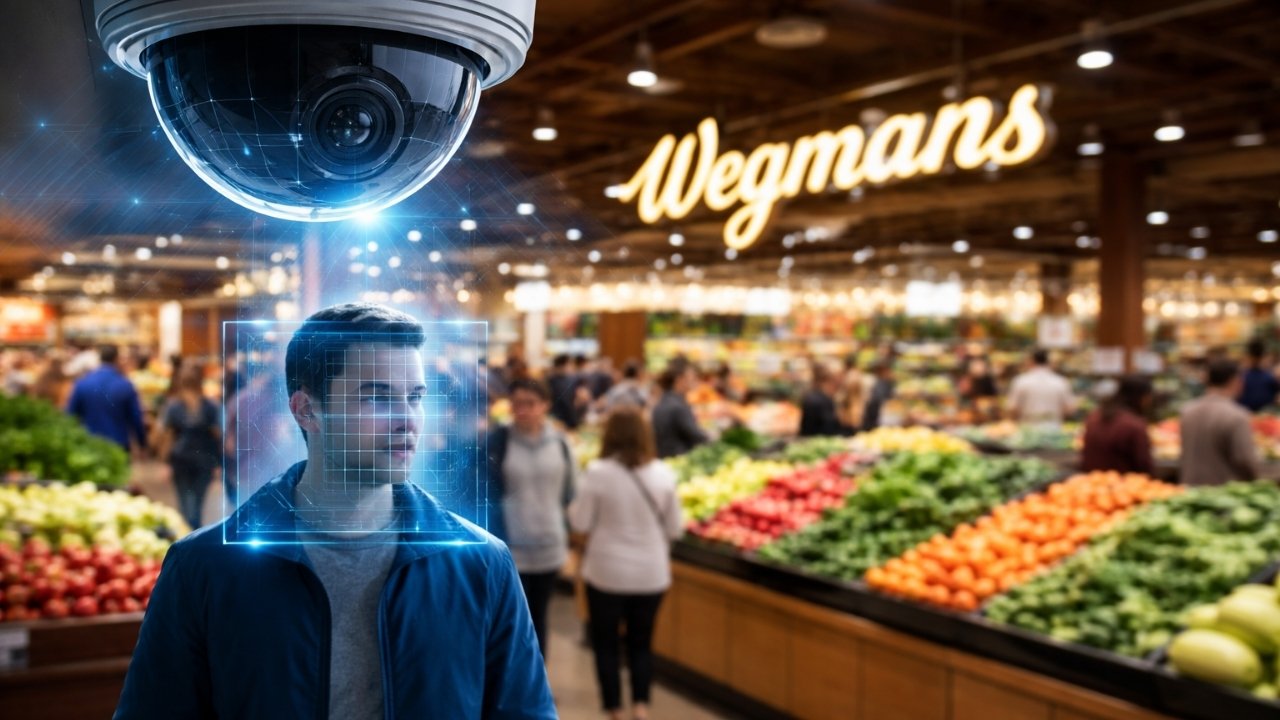
Wegmans Food Markets has confirmed that a small number of its New York City stores use biometric security systems that collect facial data from customers. The company states that the technology is limited to locations with higher security concerns and is intended for loss prevention and in-store safety. Customers are informed through notices posted at store entrances, as required under current city regulations.
The disclosure has renewed attention to biometric privacy laws in New York. While New York City already regulates the commercial use of biometric data, state lawmakers are now reviewing broader legislation that would establish uniform standards across all retail environments, including clearer rules on data retention, transparency, and enforcement.
Table of Contents
Scope of Biometric System Use

Wegmans reports that they only deploy biometric tools in select stores identified as having a higher risk of theft or disruptive incidents. These systems assist staff in recognizing individuals associated with prior security events and support existing loss prevention measures, such as standard surveillance cameras.
The company has stated that biometric data is not shared with third parties and is used solely for internal security operations. However, details regarding how long the data is stored or how customers may request access or deletion have not been publicly outlined.
Current New York City Regulatory Framework
New York City enacted its biometric identifier law in 2021. The law requires businesses collecting biometric data to post clear notices at customer entrances and prohibits the sale of biometric identifiers. Covered data includes facial features, fingerprints, voiceprints, and eye scans.

The regulation does not define retention limits or detailed internal usage policies, leaving those decisions largely to businesses. Enforcement relies on civil penalties and private legal actions rather than routine inspections.
State-Level Legislative Proposals
New York State lawmakers have introduced several bills to expand biometric privacy protections statewide. Some proposals would restrict or prohibit biometric surveillance in public accommodations, such as grocery stores and retail chains.
Other proposals would permit limited use but require written privacy policies, defined data retention periods, and mandatory deletion schedules. These measures are intended to create consistent protections for consumers regardless of location.
Differences Between City and State Rules

The proposed state legislation would expand existing requirements by adding stronger compliance standards.
| Area | City Law | Proposed State Rules |
|---|---|---|
| Customer notice | Entrance signage | Signage plus privacy policies |
| Data sales | Prohibited | Prohibited or restricted |
| Retail use | Allowed with notice | Partial or full limits proposed |
| Retention rules | Not specified | Defined timelines |
| Enforcement | Fines and lawsuits | Civil penalties and broader remedies |
Privacy and Transparency Issues
Biometric data is considered highly sensitive because it cannot be changed if compromised. Lawmakers have also raised concerns about system accuracy and the potential expansion of biometric use beyond security purposes.
Questions have been raised about whether posted notices provide meaningful consent, especially in essential retail locations. Proposed state rules would require clearer disclosure of data use and customer rights.
Business and Consumer Impact
If enacted, statewide regulations would mandate that retailers regularly review and, where appropriate, enhance their security practices, including adopting non-biometric alternatives. Businesses would also be required to meet new standards for documentation and employee training to ensure compliance.
For consumers, the legislation aims to clarify the circumstances under which biometric data is collected, specify retention durations, and outline their rights to protect personal information.
Legislative Outlook and Broader Significance
The proposed bills are currently under committee review, with the possibility of revisions before they are put to a full legislative vote. Stakeholders such as retailers, technology professionals, and privacy advocates are expected to contribute feedback that will help shape the final versions of these laws.
The Wegmans case has brought attention to the increasing use of biometric technology in retail environments and the urgent need for updated regulatory frameworks. The decisions made in New York could set important precedents, potentially impacting how other states develop their policies on biometric privacy in commercial settings.